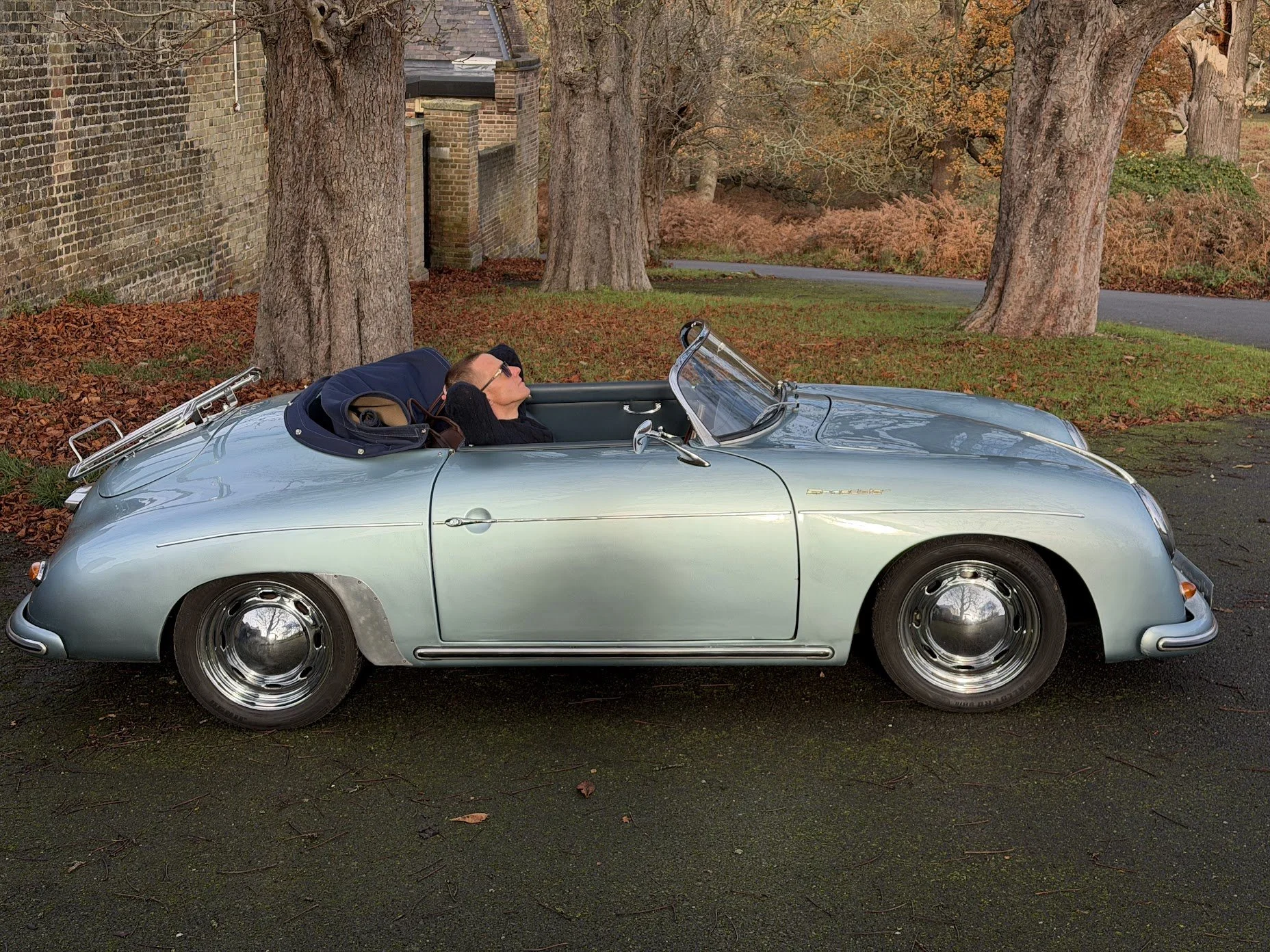
Small Enough to Let Your Guard Down: A Day with a 356 in London
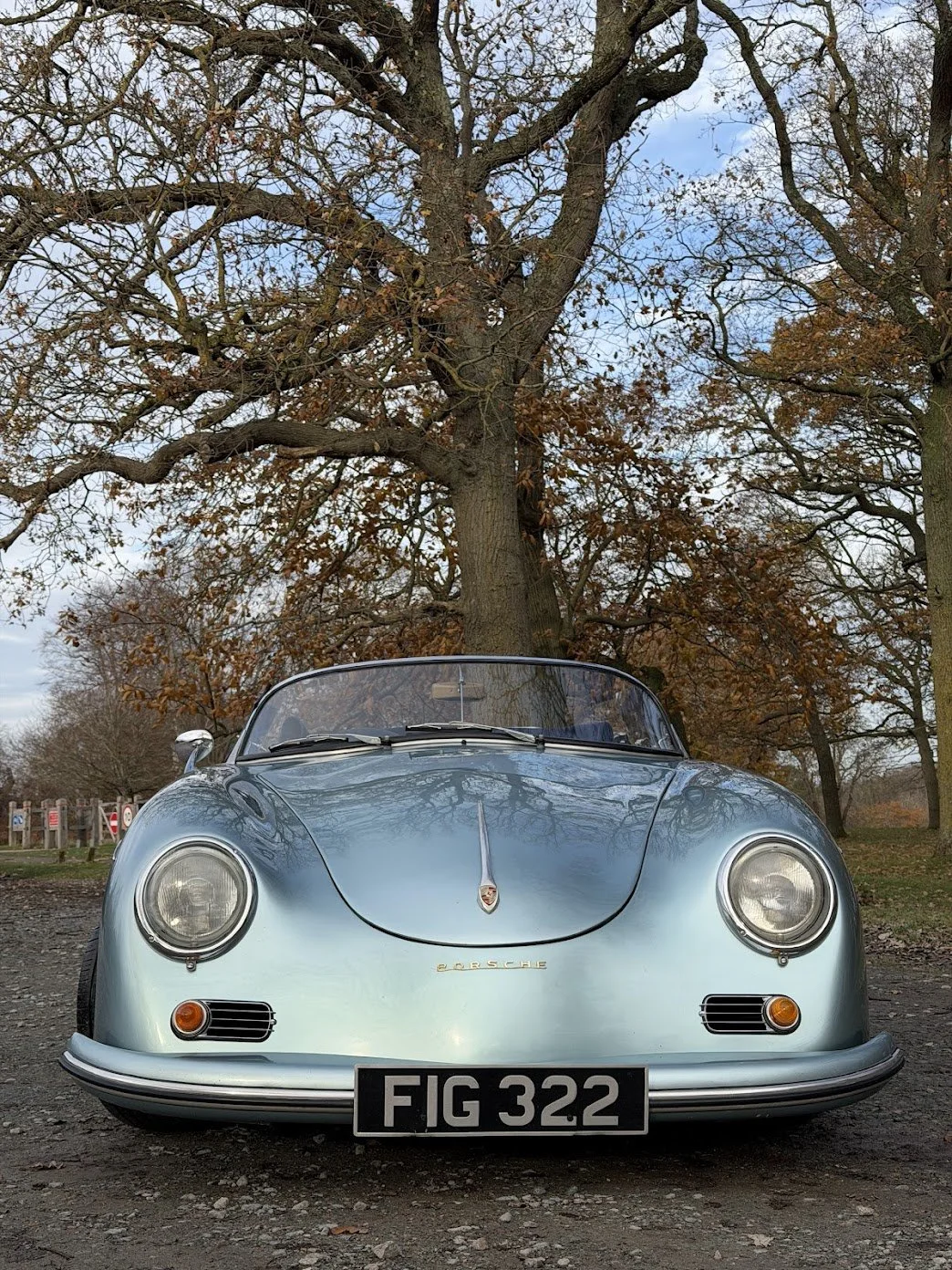
We recently rented a Porsche 356 Speedster replica—flat-four on Webers, four-speed manual, steering that talks in complete sentences—and spent the day threading through London. Out to Richmond Park and back. I’ve always liked small cars, that day, I finally understood their impact (also I highly recommend Daniel and the folks at DH Cullen).
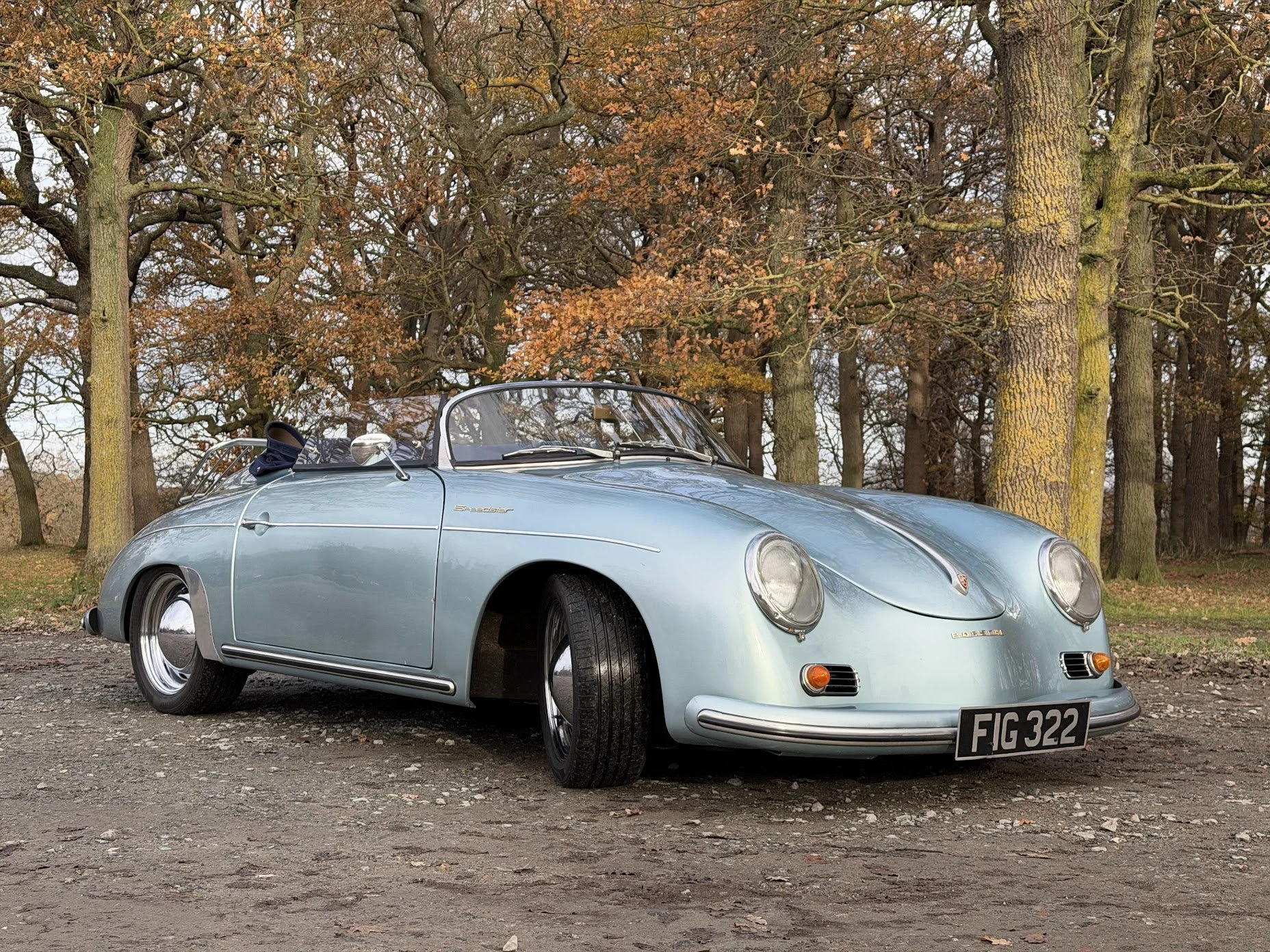
First, the obvious: the tiny footprint (the little Porsche is 155.5 inches long and 65.8 inches wide, compare that to a modern Honda Civic at 184 inches long and 70.9 inches wide). London is a city that overwhelms with its stone and story, the Speedster didn’t try to compete; it just fit. Parking bays that would fluster a Range Rover felt like generous invitations. Sightlines were clean, the fenders visible, the nose short and honest. As an American getting reacquainted driving on the left side of the road (and shifting with my left hand), all that compactness took the edge off. I could place the car exactly where it needed to be, leaving bandwidth for the clutch, the mirror (just for the driver!), and London’s choreography. It’s easier to be graceful when the tool in your hands is light.
Then the less obvious thing: people changed around it. Drivers waved us in. Cyclists made room. Pedestrians pointed with the kind of smile you usually only get from dogs and toddlers. The little car didn’t demand priority; it earned goodwill. In traffic, size is a signal. Big cars demand; small cars ask permission.
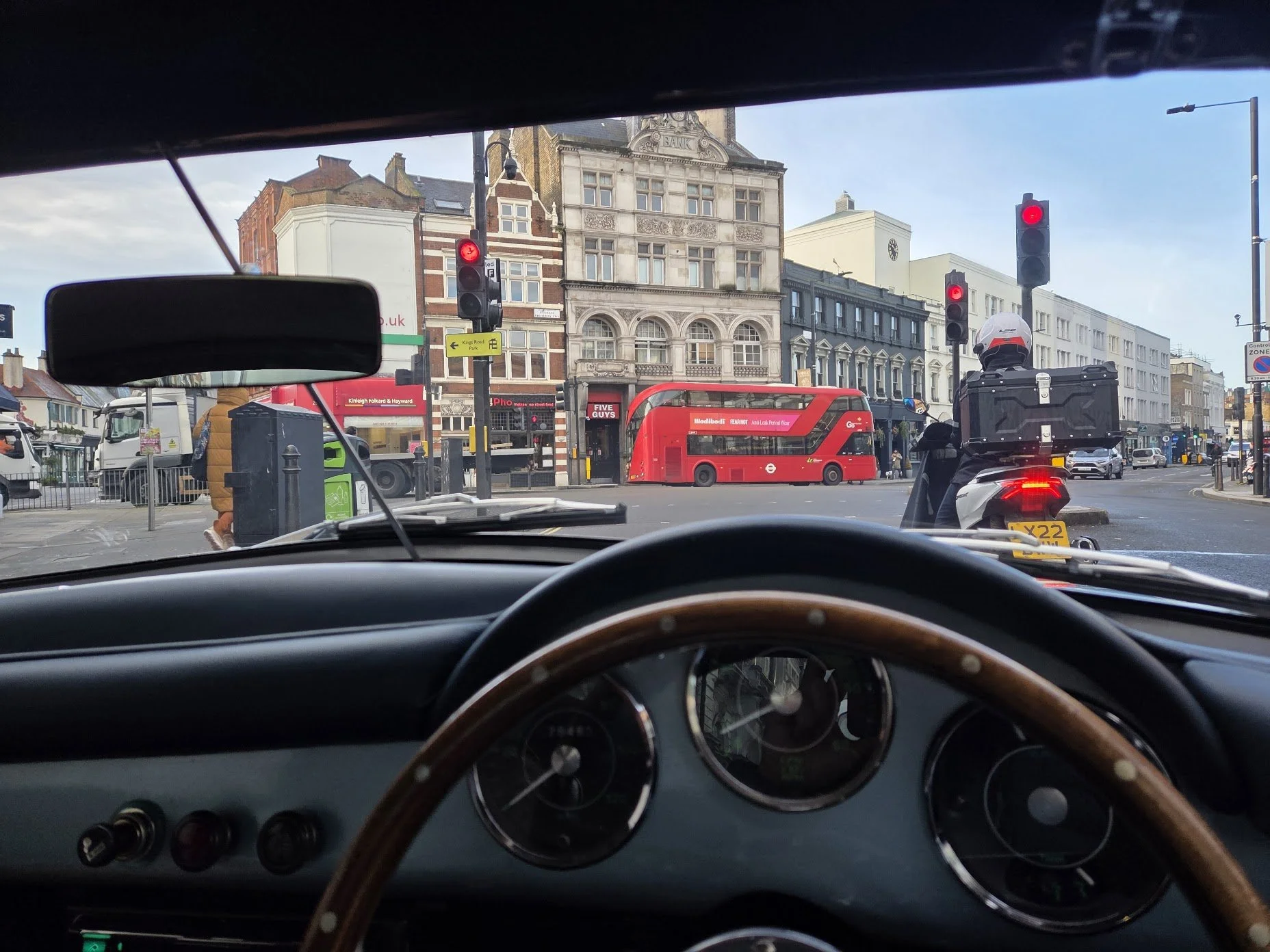
The surprise was the men. Over and over, I watched a familiar shield drop. A guy in work boots at a loading zone. Two twenty-somethings outside a pub. A suit on a corner in Mayfair. They’d register the car, stop, and…smile. Their social armor melting for just a beat. No envy, no recalibrating their status, just joy. Pure childhood memories: poster cars, Matchbox toys, afternoons spent drawing silhouettes in the margins of notebooks. I realized how rarely men are given public permission to feel uncomplicated delight. The grown-up script is optimization: be analytical, be efficient, be logical. Wonder is framed as childish, or worse, unproductive. This little Porsche blew a hole in that. It was a socially acceptable reason to grin, to relax, to breathe; not to dominate the street, but to delight in it.
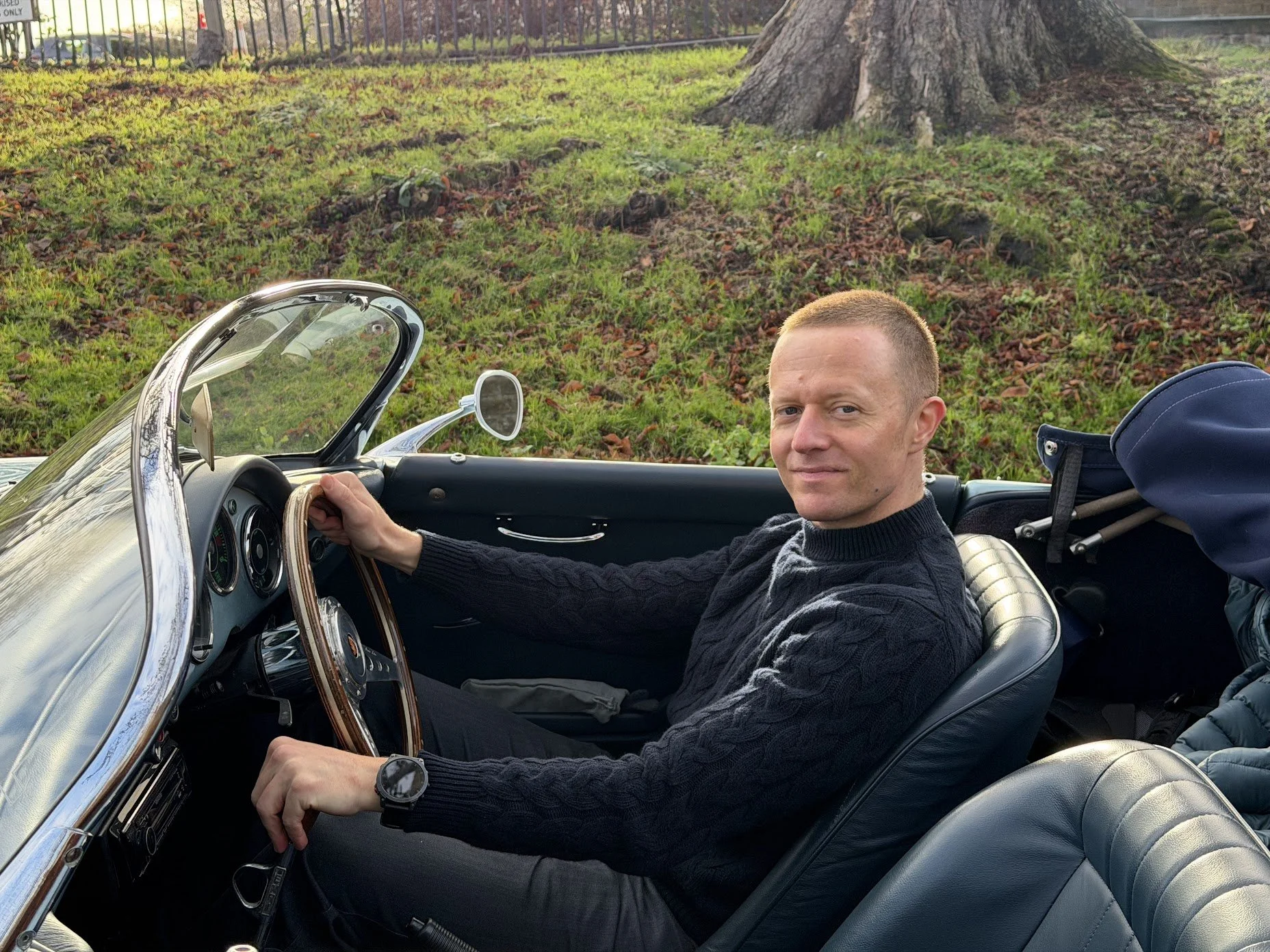
The car helps because it’s participatory. You have to tickle the throttle at start-up, you have to keep it in the power band, you heel-toe, you balance throttle with Weber cough, you let the wheel self-center and you listen. A small, analog car hands you a language for feeling: the weight in the rim, the chatter through the seat, the carburetors clearing their throat as you commit to third. When you’re inside that, victory isn’t a number; it’s the quiet satisfaction of a clean shift or a well-timed merge.
It also fits the room. In old cities, proportion to place matters. The Speedster sits low enough for eye contact in crosswalks. It glides through London’s width restrictors. It doesn’t shadow storefronts. By not looming, the car changes the energy of a street. It invites grace. We talk a lot about pedestrian safety in terms of sensors and software; size is a first principle. In a human-scaled object, we become more human.
In too-big, too-tall vehicles, people look like accessories; in the Speedster we looked like participants. The shape made room for us, and that felt like a metaphor for the kind of life I want to build: less spectacle, more shared experience. This is craft, not conquest.
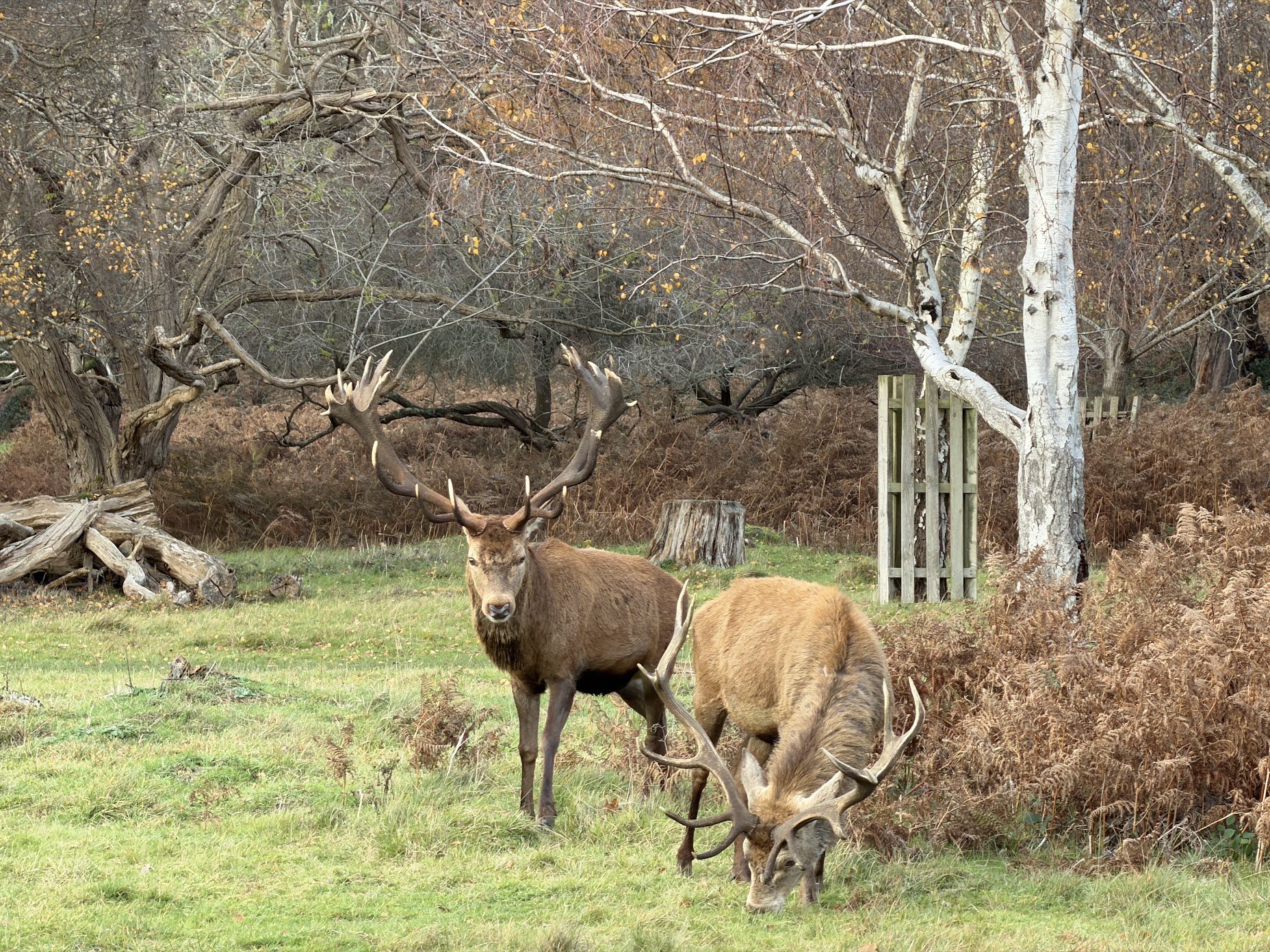
Driving through Richmond Park, that softness opened into something bigger. It’s worth naming that I probably wouldn’t have rented it without Danetha’s nudge. She understands this was nourishment. As we idled past deer, joggers and sunlight through trees, I noticed how my nervous system had downshifted. It wasn’t slow, London never is, but it was gentle. The car asked just enough of me to keep me present, then returned the favor with more presence. In that loop, the day took on a different flavor.
Is this nostalgia? A little. But it’s also a critique of modern default settings. We’ve spent too many years following a recipe that equates more with better: more height for presence, more screens for luxury, more isolation for refinement. The returns are thin. What I felt in the Speedster was a density of meaning, not mass. It’s what happens when we choose feeling over features, proportion over posture, dialogue over domination.
I don’t think small, analog cars will save the world. I do think they can save a rough week. More importantly they can save a part of us that still believes in wonder without an asterisk. Watching men across London smile was a reminder that joy doesn’t need justification. Sometimes it just needs a little space, a light clutch, and a road that asks for third gear.
The Speedster didn’t upgrade my status; it upgraded my spirit. That feels like a win worth repeating.